
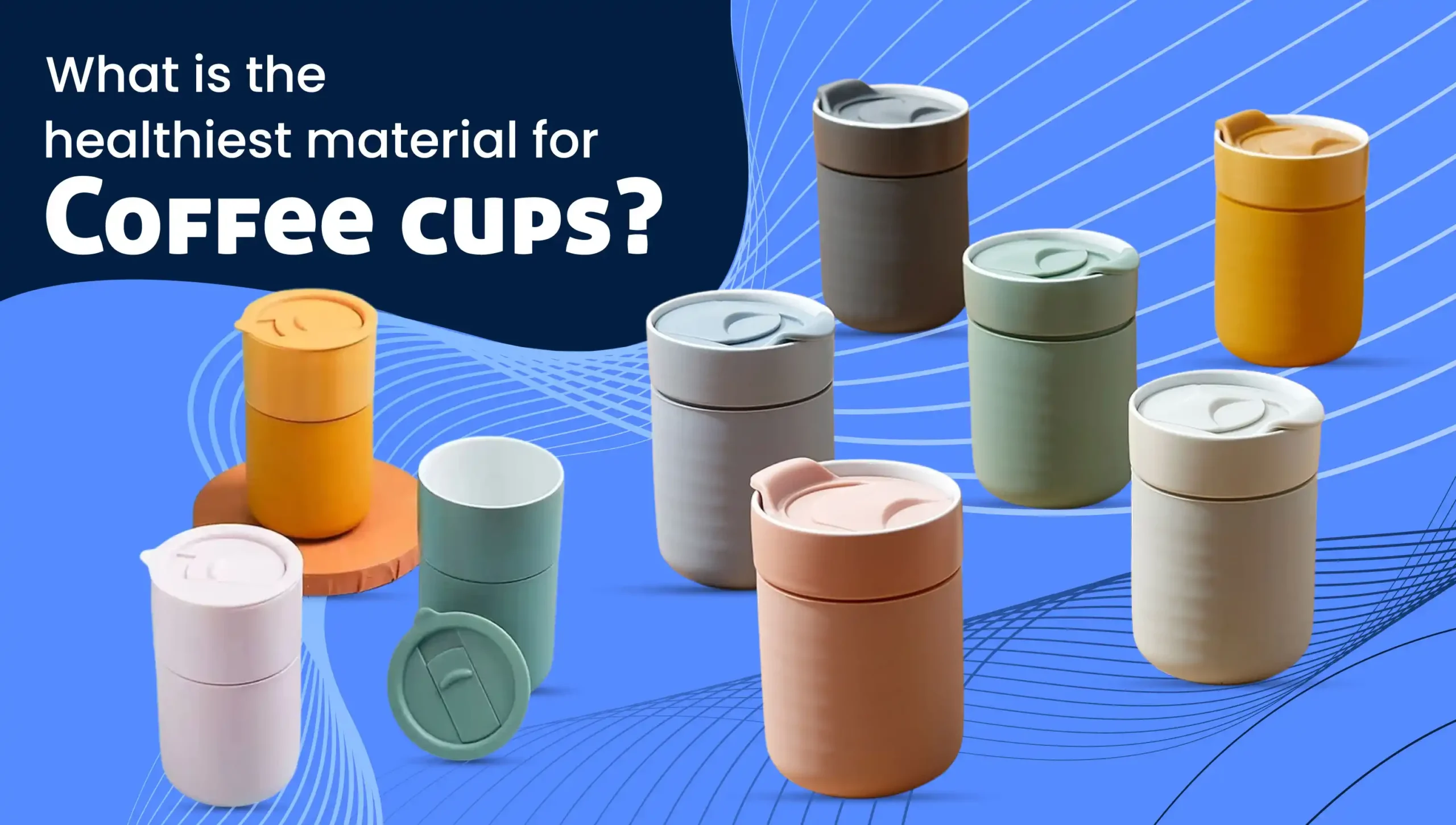
Choosing the right material for your coffee cup is more than just a matter of preference. It’s about health and safety, too. If you’re concerned about potential toxins, chemicals, or harmful substances leaching into your beverage, it’s important to choose carefully. What is the healthiest material for coffee cups? Let’s explore the various options available, the pros and cons, and how to ensure that your coffee cup is safe to use.
What Makes a Coffee Cup Healthy?
Before we dive into the specifics of materials, let’s first consider what makes a coffee cup “healthy.” A healthy coffee cup should:
- Not leach harmful chemicals: The material should not release toxins into your drink, especially when exposed to heat.
- Be non-toxic and safe: It should be free from substances like BPA, lead, or cadmium, which are harmful to human health.
- Be easy to clean: Cups should not retain bacteria, mold, or other harmful elements after cleaning.
- Not affect the taste: The cup should not impart any off-putting flavors to your coffee.
What is the Safest Material for Coffee Cups?
The question of what is the safest material for coffee cups is closely tied to health concerns. Materials that are non-toxic, stable, and free from harmful chemicals are considered the safest. Let’s go over some common materials and how safe they are for drinking coffee.
1. Ceramic Coffee Cups
Ceramic is one of the most popular choices for coffee cups. It’s made from clay and typically fired at high temperatures. So, is ceramic or stainless steel better for coffee? Let’s break it down.
Health benefits of ceramic:
- Non-toxic: Ceramic mugs are generally safe, especially if they are lead-free and made without cadmium.
- No chemical leaching: Unlike plastic, ceramic cups do not leach harmful chemicals.
- Great heat retention: Ceramic cups hold heat well, so your coffee stays warm for longer.
However, ceramic cups can sometimes have a glaze that may contain harmful substances. It’s important to choose lead-free ceramic mugs to avoid any potential health risks. Always check labels or ask the manufacturer if you’re unsure about the material.
2. Stainless Steel Coffee Cups
Stainless steel is another safe material for coffee cups, particularly for people who prefer a more durable, modern design.
Health benefits of stainless steel:
- Non-reactive: Stainless steel doesn’t leach chemicals into your drink.
- Durable: It’s resistant to rust and corrosion, making it ideal for long-term use.
- Safe and non-toxic: Food-grade stainless steel (304 or 316) is the safest for drinking purposes and does not contain harmful substances.
However, the downside of stainless steel is that it can retain the taste of previous drinks if not properly cleaned. Over time, some people also claim that it might slightly alter the flavor of the coffee, though this is subjective.
3. Glass Coffee Cups
Glass is often hailed as one of the healthiest options for coffee cups. What is the healthiest material for coffee cups when considering glass? It’s a strong contender.
Health benefits of glass:
- Non-toxic and chemical-free: Glass is completely inert, meaning it doesn’t leach any chemicals, even at high temperatures.
- No flavor transfer: Glass doesn’t absorb flavors, so your coffee will taste pure and fresh every time.
- Easy to clean: Glass coffee cups are easy to clean, and they do not retain odors or stains.
However, glass is fragile, so it’s not as durable as ceramic or stainless steel. If you’re looking for a cup that will withstand frequent drops or impacts, you might want to consider other materials.
4. Porcelain Coffee Cups
Porcelain is another type of ceramic material. It’s fired at higher temperatures than standard ceramics, making it smooth and translucent. Which is better, porcelain or ceramic coffee mugs? Porcelain offers a finer, smoother texture and often a more luxurious appearance.
Health benefits of porcelain:
- Non-toxic: Like ceramic, porcelain is non-toxic as long as it’s lead-free.
- No chemical leaching: High-quality porcelain mugs won’t release harmful chemicals into your coffee.
- Great heat retention: Porcelain cups maintain the temperature of your coffee well.
Porcelain mugs are often more delicate than other ceramic options, so they require more care. Be sure to check for lead-free porcelain to avoid exposure to harmful substances.
5. Bamboo Coffee Cups
Bamboo cups are an eco-friendly alternative to traditional materials. Made from sustainable bamboo fiber, they are often combined with other materials like resin to enhance durability.
Health benefits of bamboo cups:
- Non-toxic: High-quality bamboo cups are typically free from harmful chemicals like BPA and phthalates.
- Eco-friendly: Bamboo is a renewable resource, making these cups a better option for the environment.
However, bamboo cups are often treated with resins and plastics, which can compromise their safety. Make sure to select BPA-free bamboo cups that are free from toxic additives.
Do Coffee Cups Leach Chemicals?
One of the most pressing concerns when it comes to choosing the healthiest coffee cup is whether or not the material leaches chemicals. So, do coffee cups leach chemicals? It’s possible, depending on the material used.
1. Plastic Coffee Cups
Plastic coffee cups, especially disposable ones, can contain harmful chemicals like BPA (Bisphenol A). BPA can leach into your coffee when exposed to heat, potentially affecting your health. If you choose plastic, always opt for BPA-free alternatives to avoid exposure to these harmful chemicals.
2. Ceramic Coffee Cups with Lead-Based Glazes
Some older ceramic mugs or those imported from certain regions might have lead-based glazes, which could leach lead into your coffee. It’s important to ensure that the ceramic mugs you choose are lead-free. Most modern ceramic cups are safe, but it’s always worth checking.
3. Aluminum Coffee Cups
While aluminum cups are lightweight and durable, they can sometimes react with acidic beverages like coffee, causing the metal to corrode over time. Some aluminum cups are lined with a coating to prevent this, but it’s always a good idea to check the manufacturer’s information.
Best Non-Toxic Coffee Mugs
When it comes to best non-toxic coffee mugs, there are several excellent options to consider. These mugs are made from materials that are free from harmful chemicals like BPA, lead, or cadmium. Some great choices include:
- Lead-free ceramic mugs: These are a classic option and can be found in a variety of designs.
- Stainless steel mugs: Food-grade stainless steel is non-toxic and durable.
- Glass mugs: Opt for borosilicate glass, which is resistant to heat and thermal shock.
- Bamboo fiber mugs: Choose BPA-free bamboo mugs for an eco-friendly, non-toxic option.
Non-Toxic Coffee Travel Mugs
Non-toxic coffee travel mugs are designed with health and safety in mind, especially for people who are on the go. These mugs are typically made from materials like:
- Stainless steel: Food-grade stainless steel is often used in insulated travel mugs.
- Glass: Some travel mugs feature a glass interior and a durable, heat-resistant exterior.
- BPA-free plastic: Some travel mugs are made from BPA-free plastic, though these should be used with caution.
When choosing a non-toxic travel mug, look for one that is free from BPA, phthalates, and PVC. These chemicals can leach into your beverage over time, particularly when exposed to heat.
What is the Healthiest Material for Coffee Cups in Australia?
In Australia, many people are increasingly concerned about health-conscious living, including the materials used in everyday items like coffee cups. What is the healthiest material for coffee cups in Australia? The answer is similar to other places: ceramic, stainless steel, and glass are all excellent, non-toxic options for coffee cups.
Australian consumers often prefer lead-free ceramic mugs and stainless steel cups because of their durability, safety, and ability to maintain the temperature of beverages. Porcelain and glass are also commonly used for coffee mugs, providing a healthy, chemical-free drinking experience.
The Alternative to Plastic Coffee Cups
If you’re looking for an alternative to plastic coffee cups, there are several non-toxic materials to choose from, including:
- Stainless steel: A popular choice due to its durability and ability to keep coffee hot.
- Glass: A clean, non-toxic option that doesn’t absorb odors or flavors.
- Ceramic: A timeless, non-toxic option, as long as it is lead-free.
- Bamboo: An eco-friendly alternative, though it should be free from harmful resins or coatings.
By opting for one of these materials, you can avoid the health risks associated with plastic, especially BPA and other chemicals that can leach into your drink.
Conclusion
When choosing what is the healthiest material for coffee cups, it’s essential to prioritize safety, durability, and taste. Ceramic, stainless steel, glass, and porcelain are all great options, as long as they are made without harmful additives like lead or BPA. Each material has its advantages, so your choice will depend on your personal preferences for durability, heat retention, and environmental impact.
For the safest and healthiest option, go for lead-free ceramic mugs, food-grade stainless steel cups, or borosilicate glass mugs. These materials are non-toxic, durable, and easy to clean, ensuring that your daily cup of coffee is both safe and enjoyable.