
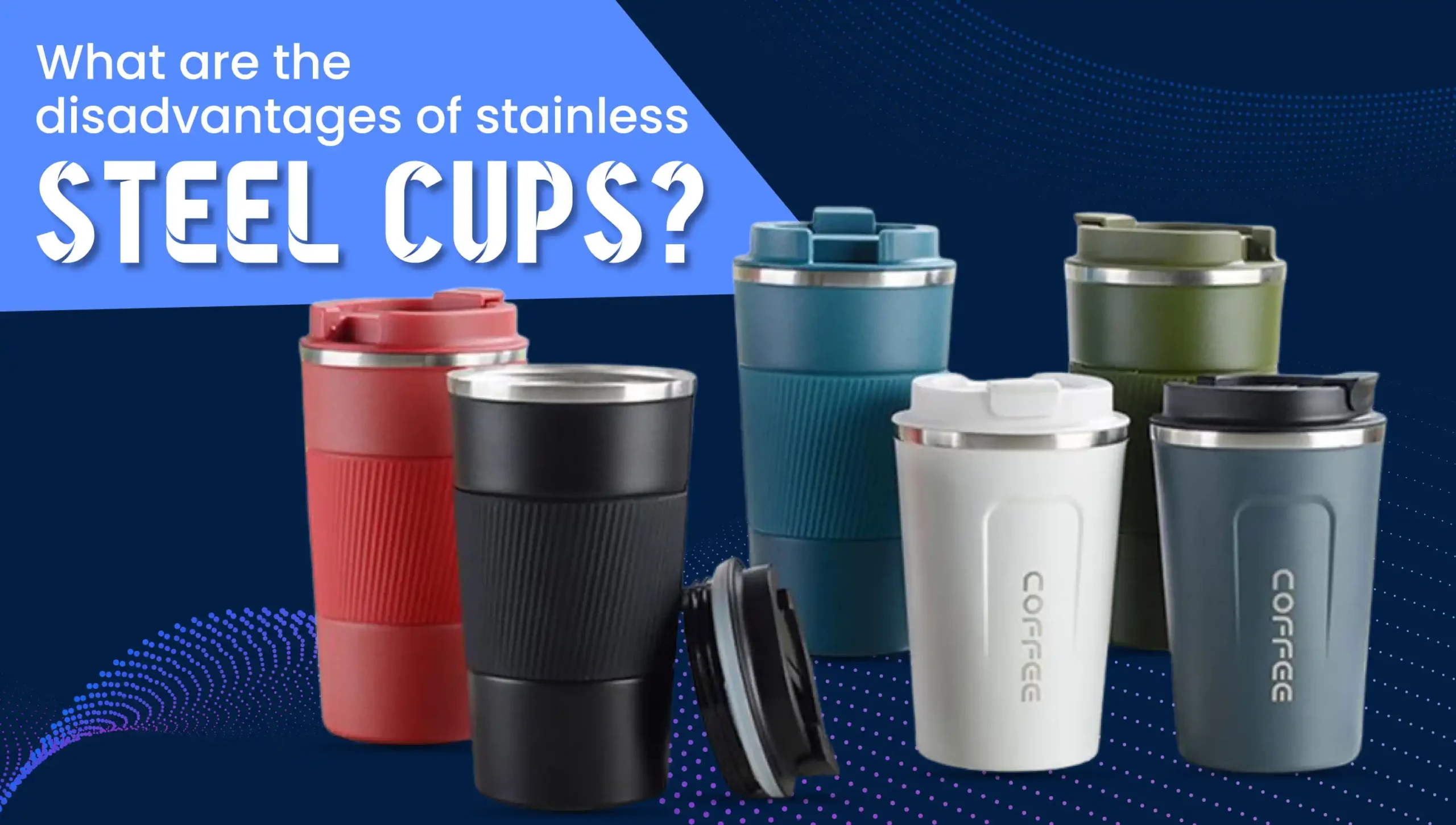
Stainless steel cups have gained significant popularity for their durability, sleek design, and versatility. From keeping your coffee hot to being a reliable companion during outdoor adventures, these cups seem like a go-to choice for many. However, just like any product, what are the disadvantages of stainless steel cups? While they have numerous benefits, it’s important to consider some potential downsides before deciding whether they’re the right fit for your needs.
In this blog, we’ll explore the disadvantages of stainless steel cups in depth, looking at factors like safety concerns, maintenance, taste, and more. We’ll also touch on questions such as Is it safe to drink coffee from stainless steel?, What should you not drink with stainless steel?, and Do stainless steel cups have lead? to give you a comprehensive understanding of their pros and cons.
What Are the Disadvantages of Stainless Steel Cups?
Stainless steel cups are often regarded as a safe and eco-friendly choice, but they come with certain disadvantages that are important to consider. Here are some of the key drawbacks:
1. Potential for Metallic Taste
One of the most commonly mentioned disadvantages of stainless steel cups is that they can sometimes impart a metallic taste to your beverages, especially if the cup has been used for multiple different drinks. This is more common with lower-quality stainless steel or cups that haven’t been properly cleaned. When it comes to drinks like coffee or tea, the metallic flavor can interfere with the natural flavors of your beverage, making it less enjoyable.
For individuals who are sensitive to this, it can make a noticeable difference in taste. If you’re particular about how your coffee tastes, you may want to avoid stainless steel or opt for high-quality, food-grade stainless steel cups.
2. Poor Insulation for Extreme Temperatures
Although stainless steel cups are known for their ability to retain heat or cold for long periods, they don’t work as well as double-walled insulated cups. Single-walled stainless steel cups can heat up very quickly, making them uncomfortable to hold if your drink is extremely hot. On the other hand, if you have a cold drink in a single-walled cup, the external surface can become too cold to hold comfortably.
To avoid this problem, you may need to invest in double-walled stainless steel cups. These offer better insulation and can help prevent issues with temperature extremes, but they tend to be more expensive.
3. Weight and Bulkiness
Compared to other materials like plastic or glass, stainless steel cups are generally heavier and bulkier. If you’re used to lightweight cups for on-the-go, the extra weight of stainless steel might be a turnoff. This could be particularly problematic for travelers or people who carry their cups around regularly.
For those who prioritize portability and lightness, stainless steel might not be the best option. Plastic cups or glass cups might provide the convenience you’re seeking without the extra weight.
4. Prone to Scratches and Damage
Stainless steel cups are durable, but they’re not indestructible. Over time, scratches can develop on the surface of the cup, particularly if it is frequently placed in a bag or dropped. These scratches don’t necessarily affect the functionality of the cup, but they can make it look worn and may also affect the smoothness of the surface.
Moreover, deep scratches or dents could impact the insulating properties of the cup, especially for double-walled varieties. A scratched cup might lose some of its ability to maintain temperature over time.
5. Cleaning Challenges
While stainless steel cups are easy to clean, they can sometimes be challenging to maintain, especially if stains or buildup from beverages like coffee or tea occur. Unlike glass, stainless steel has a smooth but non-porous surface, meaning it can retain stubborn stains. Over time, if not thoroughly cleaned, stainless steel cups may start to retain odors or even develop rust (particularly if they are of poor quality).
Regular cleaning is necessary, but stubborn stains or odors might require more effort, such as using special cleaners or scrubbing with a brush. Additionally, dishwasher-safe cups can still be problematic for getting rid of all the built-up residues, as dishwashers might not always clean them thoroughly.
6. Risk of Leaching with Poor-Quality Stainless Steel
What are five disadvantages of stainless steel? One of the biggest concerns is the risk of leaching chemicals, especially if the cup is made from low-quality stainless steel. Some cheap stainless steel cups may be lined with materials that aren’t food-safe or could potentially leach harmful substances into your drink over time. If you’re concerned about this, it’s essential to choose food-grade stainless steel (like 304 or 316 stainless steel), which is safe for regular use.
7. Environmental Impact of Manufacturing
While stainless steel is durable and long-lasting, the manufacturing process of stainless steel cups can have an environmental impact. The process of creating stainless steel requires a significant amount of energy, which contributes to carbon emissions. If you’re looking for a more eco-friendly option, consider alternatives like bamboo or ceramic.
Despite being a durable material that can last for years, the environmental footprint of stainless steel production may deter eco-conscious consumers who are looking for more sustainable options.
Is It Safe to Drink Coffee from Stainless Steel?
Is it safe to drink coffee from stainless steel? Yes, it is generally safe to drink coffee from stainless steel, especially if the cup is made from high-quality food-grade stainless steel. 304 stainless steel is the most commonly used material for food and drink containers and is considered safe for consumption.
However, if the cup is of lower quality or if it is scratched, there’s a chance that it could leach small amounts of metals into the coffee. This is why it’s always essential to choose a well-made, high-quality cup and ensure it’s properly maintained.
What Should You Not Drink with Stainless Steel?
While stainless steel cups are generally versatile, there are some beverages that shouldn’t be stored in them for extended periods:
- Acidic drinks like citrus juices or soda can interact with the metal and cause the drink to taste metallic over time.
- Alcoholic beverages can react with stainless steel, potentially affecting the flavor and the material’s integrity.
- Sugary beverages like sweetened coffee or tea can leave residue behind, which can be difficult to clean if left for too long.
If you’re using your stainless steel cup for beverages other than water or coffee, it’s a good idea to clean it thoroughly after each use to avoid lingering flavors or odors.
Do Stainless Steel Cups Have Lead?
This is a common concern for many consumers. Do stainless steel cups have lead? No, high-quality stainless steel cups should not contain lead. Lead contamination is typically a concern with poorly manufactured products or those made with substandard materials. Always look for cups made from food-grade stainless steel (such as 304 or 316) to ensure that they are free from harmful substances like lead and cadmium.
If you’re uncertain about the safety of your cup, it’s best to check the manufacturer’s details or buy from a reputable brand.
What Is the Safest Material to Drink Coffee From?
When considering what is the safest material to drink coffee from, it largely depends on your personal needs and preferences. Here’s a quick comparison of some of the safest materials:
- Glass: Completely non-toxic and chemical-free, with no risk of leaching chemicals.
- Food-grade stainless steel: Safe and durable, especially if it’s of high quality, like 304 stainless steel.
- Ceramic: Safe and inert, but can sometimes contain lead or cadmium in low-quality mugs.
- Porcelain: Safe when lead-free, offering a smooth, non-reactive surface for your coffee.
Ultimately, the safest materials are glass and high-quality stainless steel. Ceramic and porcelain are also excellent choices, as long as they’re free from harmful glazes.
Is It Better to Drink from Stainless Steel or Plastic?
Is it better to drink from stainless steel or plastic? Stainless steel is generally better than plastic for a number of reasons:
- Healthier: Stainless steel is free from harmful chemicals like BPA, which is found in many plastics.
- More durable: Stainless steel is stronger and lasts longer than plastic cups, which can crack or degrade over time.
- Better taste: Stainless steel doesn’t absorb flavors, so your coffee will taste fresher compared to drinking from plastic, which can retain odors.
While plastic is lightweight and portable, stainless steel is the healthier and more durable option for regular use.
Is It Okay to Put Orange Juice in Stainless Steel?
Is it okay to put orange juice in stainless steel? It’s generally okay to put orange juice in stainless steel for short-term use. However, acidic drinks like orange juice can affect the cup over time, especially if left in the cup for extended periods. If you drink orange juice regularly from a stainless steel cup, you might notice a slight metallic taste, which can be unappealing.
For acidic beverages, it’s best to use cups made from glass or porcelain to avoid altering the taste.
Disadvantages of Stainless Steel Water Bottles
Just as with stainless steel cups, stainless steel water bottles come with some disadvantages:
- Heavy: Stainless steel bottles tend to be heavier than plastic ones.
- Scratching: Over time, they can develop scratches, which can make them harder to clean.
- Cost: Stainless steel water bottles can be more expensive than plastic alternatives.
Despite these drawbacks, stainless steel water bottles are still considered a great investment for their durability and safety.
Conclusion
What are the disadvantages of stainless steel cups? While these cups are durable, safe, and effective at retaining temperature, they do come with a few notable drawbacks. The metallic taste, issues with insulation, weight, cleaning difficulties, and potential for scratching are all factors to consider. However, if you choose a high-quality, food-grade stainless steel cup and maintain it properly, you can still enjoy the many benefits that these cups offer, including safety and durability.
If you’re concerned about the potential disadvantages, consider alternatives like glass or porcelain for a more neutral experience. But for most people, stainless steel cups remain an excellent option, combining functionality with safety.