
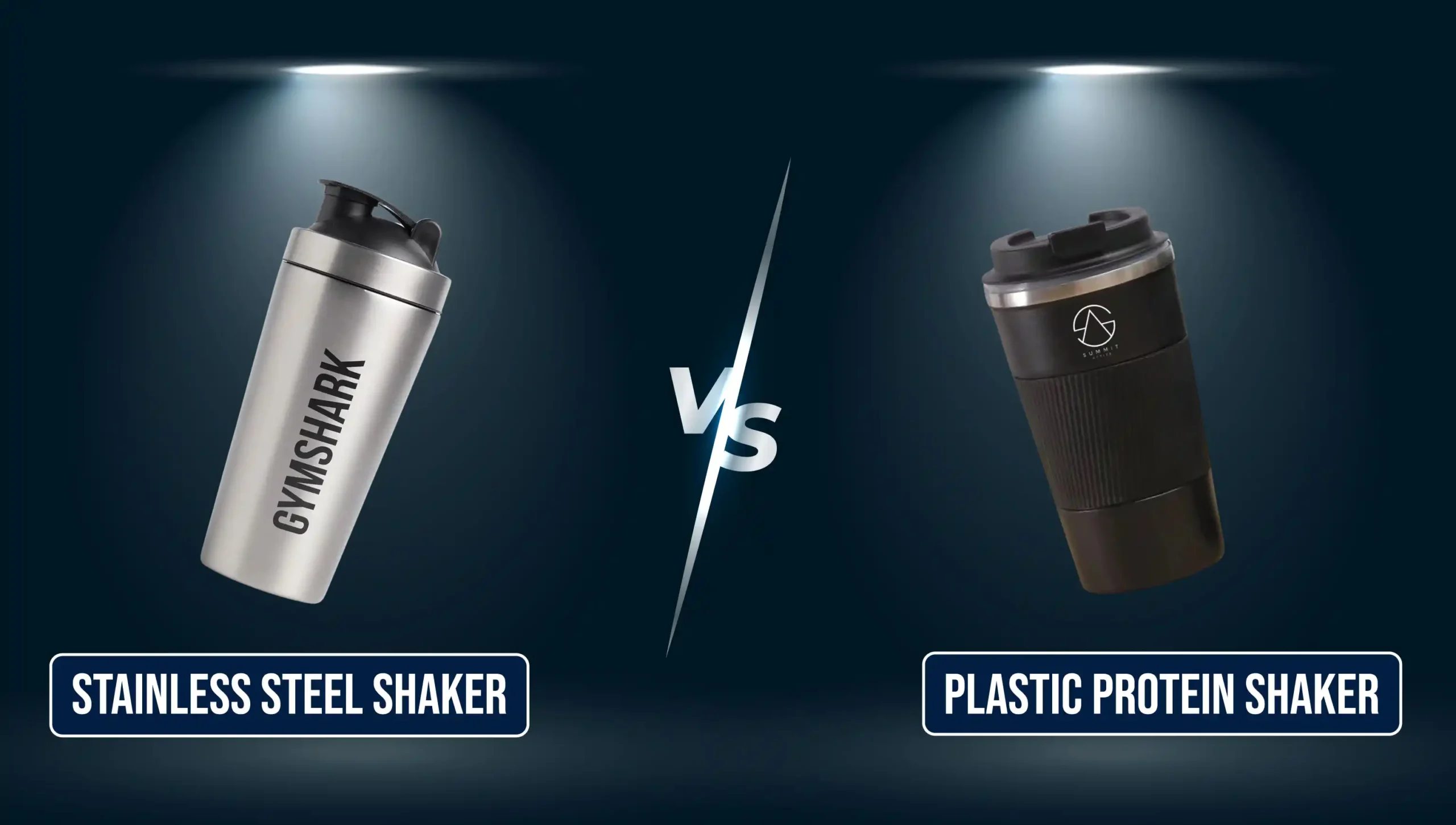
If you’re a fitness enthusiast or just starting your health journey, you’ve probably wondered: stainless steel vs plastic protein shaker—which one should I choose? Protein shakers are a staple for mixing supplements like protein powder, pre-workout, or meal replacements. But picking the right shaker can affect your health, convenience, and workout experience.
In this blog, we dive deep into stainless steel vs plastic protein shaker bottles. We’ll explore everything from durability and hygiene to environmental impact and portability. Plus, we will answer why many people believe stainless steel protein shakers are better than plastic. Let’s get started.
Material & Durability: The Battle of Longevity
The material your protein shaker is made of greatly impacts its durability.
Plastic Protein Shakers
Most plastic shakers are made from BPA-free polypropylene or Tritan plastic. These materials are lightweight and affordable but have limits in longevity. Over time, plastic bottles can develop cracks or warping, especially if dropped or exposed to heat. Scratches on plastic surfaces also trap bacteria and odors.
Repeated use and washing may cause plastic to degrade. This can lead to discoloration or a brittle texture. Though convenient, plastic shakers often need replacement after about 6 months to a year depending on usage.
Stainless Steel Protein Shakers
Stainless steel shakers are made from food-grade 18/8 or 304 stainless steel. This metal is known for its excellent durability and resistance to dents or cracks. Stainless steel does not warp or degrade with regular use. It can withstand drops and impacts much better than plastic.
Because of this, stainless steel protein shakers are considered an investment. You might pay more upfront, but they can last years with proper care.
In summary: In the stainless steel vs plastic protein shaker durability comparison, stainless steel clearly wins for long-term use and toughness.
Hygiene and Odor Retention
A critical factor for protein shakers is hygiene and how well they resist odor buildup.
Plastic Shakers and Odor Issues
Plastic protein shakers tend to absorb odors from protein powders, especially whey and plant-based varieties. These powders contain compounds that stick to plastic surfaces. Over time, this can lead to unpleasant smells that are hard to remove.
Plastic is also prone to staining from colorful supplements or liquids. Tiny scratches on the surface provide a breeding ground for bacteria. This compromises hygiene if the shaker is not cleaned thoroughly after each use.
Stainless Steel Shakers and Hygiene
Stainless steel is a non-porous material, which means it does not absorb odors or stains. This makes cleaning easier and helps maintain a fresh-smelling shaker. Bacteria and mold have a harder time sticking to stainless steel surfaces.
Most stainless steel shakers are dishwasher safe, allowing for more effective cleaning. This feature is especially helpful for busy people who want quick and thorough hygiene.
Health and Safety Considerations
Health is a top concern when selecting a protein shaker.
Concerns with Plastic
Although many plastic bottles claim to be BPA-free, some studies show that certain chemicals can still leach from plastic over time. This risk increases with heat, such as leaving your shaker in a hot car or washing with hot water.
Plastic also tends to degrade chemically with repeated use, which may expose you to toxins or microplastics. Some people are sensitive to these chemicals and prefer to avoid plastic altogether.
Stainless Steel Safety
Stainless steel is inert and non-toxic. It does not leach chemicals into your drink regardless of temperature or time. This makes it a safer choice for your health.
Furthermore, stainless steel bottles comply with food safety standards worldwide. Choosing stainless steel can reduce exposure to harmful substances commonly associated with plastics.
Environmental Impact
Environmental sustainability is becoming increasingly important when choosing everyday items.
Plastic’s Environmental Footprint
Plastic protein shakers contribute to pollution if not recycled properly. Plastic waste can take hundreds of years to break down. Single-use plastics and poorly recycled bottles often end up in oceans or landfills.
Even BPA-free plastics involve petrochemical processes that have a significant carbon footprint. Additionally, frequent replacement of plastic shakers increases waste.
Stainless Steel’s Eco Benefits
Stainless steel is highly recyclable. It can be reused multiple times without losing quality. Stainless steel manufacturing has a higher initial environmental cost, but its durability offsets this over the product’s lifespan.
By choosing a stainless steel protein shaker, you reduce plastic waste and contribute to sustainability. Many users prefer stainless steel for its eco-friendly profile.
Insulation and Temperature Control
Do you want your protein shake to stay cold or hot for hours? Temperature control is a factor.
Plastic Shakers and Temperature
Plastic bottles offer little to no insulation. Your drink may warm up quickly, especially in hot weather or during long workouts. This can negatively impact taste and freshness.
Stainless Steel and Insulation
Many stainless steel protein shakers feature double-wall vacuum insulation. This technology keeps your protein shake cold for up to 12 hours or hot for several hours.
Cold shakes taste better and feel refreshing post-workout. The insulation also prevents condensation on the outside, keeping your hands dry.
If temperature control is important to you, a stainless steel protein shaker is the best choice.
Weight and Portability
The ease of carrying your shaker is key for active lifestyles.
Plastic Protein Shakers
Plastic shakers are lightweight and easy to carry. This makes them popular for gym-goers, runners, or people on the move. They fit easily into gym bags or backpacks.
Stainless Steel Protein Shakers
Stainless steel shakers tend to be heavier due to the metal construction. This can be a downside for those who want the lightest gear possible.
However, many find the extra weight manageable and worthwhile given the benefits of durability and insulation.
Aesthetic and Customization Options
Looks matter, too. Many people want a shaker that fits their style.
Plastic Shaker Designs
Plastic shakers come in various colors, shapes, and sizes. Their transparent nature lets you see your drink. Some feature fun prints or motivational slogans.
Stainless Steel Shaker Designs
Stainless steel shakers usually have a sleek, modern look with metallic finishes. They often come in brushed steel, matte black, or vibrant powder-coated colors.
Though opaque, stainless steel offers a premium feel. Many brands also offer custom engraving or decals for personalization.
Cost Considerations
Budget plays a major role in deciding between plastic and stainless steel.
Plastic Shaker Costs
Plastic protein shakers are affordable. You can find quality plastic bottles for as low as $5 to $15. This makes them accessible for beginners or casual users.
Stainless Steel Shaker Costs
Stainless steel shakers are more expensive, typically ranging from $20 to $40 or more. The higher cost is justified by durability and features like insulation.
Investing in a stainless steel protein shaker means fewer replacements and long-term savings.
User Scenarios: Who Should Choose What?
Understanding who benefits most from each type can help you decide.
Choose Plastic If:
- You want a lightweight, inexpensive option
- You prefer a clear bottle to see your drink level
- You need a shaker for occasional use or travel
- You like colorful or trendy designs
Choose Stainless Steel If:
- You want a durable shaker that lasts years
- You’re concerned about health and chemical exposure
- You want your protein shakes cold for longer
- You prefer easy cleaning and odor resistance
- You support sustainable, eco-friendly products
Conclusion
In the stainless steel vs plastic protein shaker debate, stainless steel often wins for health, durability, hygiene, and environmental impact. While plastic shakers have their place for convenience and affordability, the benefits of stainless steel are compelling.
Why stainless steel protein shakers are better than plastic comes down to safety, odor resistance, insulation, and longevity. If you want the best user experience and a shaker that supports your health goals, investing in stainless steel is the way to go.
Remember, the best shaker is one that fits your lifestyle and preferences. Consider your budget, usage, and priorities before deciding.
Certainly! Here’s a concise FAQ section answering your questions with medium-short answers, incorporating SEO keywords naturally:
FAQ
Which protein shaker is best, plastic or steel?
Stainless steel protein shakers are generally better due to their durability, odor resistance, and safety. Plastic shakers are lighter and cheaper but may retain odors and degrade over time.
What is the best material for a protein shaker?
Stainless steel is the best material because it is durable, non-toxic, easy to clean, and keeps drinks fresh without retaining odors or stains.
Is it better to drink from stainless steel or plastic?
Drinking from stainless steel is better for health since it doesn’t leach chemicals, unlike some plastics. Stainless steel also maintains beverage temperature longer.
What are the benefits of a stainless steel shaker?
Benefits include long-lasting durability, odor and stain resistance, better hygiene, chemical safety, and superior temperature control.
Why is stainless steel better than plastic?
Stainless steel is more durable, doesn’t absorb odors, is safer (no chemical leaching), and is environmentally friendlier than plastic.
Should I use a plastic protein shaker
You can use a plastic shaker if you want a lightweight, affordable option for short-term use. However, for long-term health and durability, stainless steel is recommended.
Do stainless steel protein shakers smell?
No, stainless steel shakers do not retain odors like plastic ones, making them easier to keep fresh and clean.