
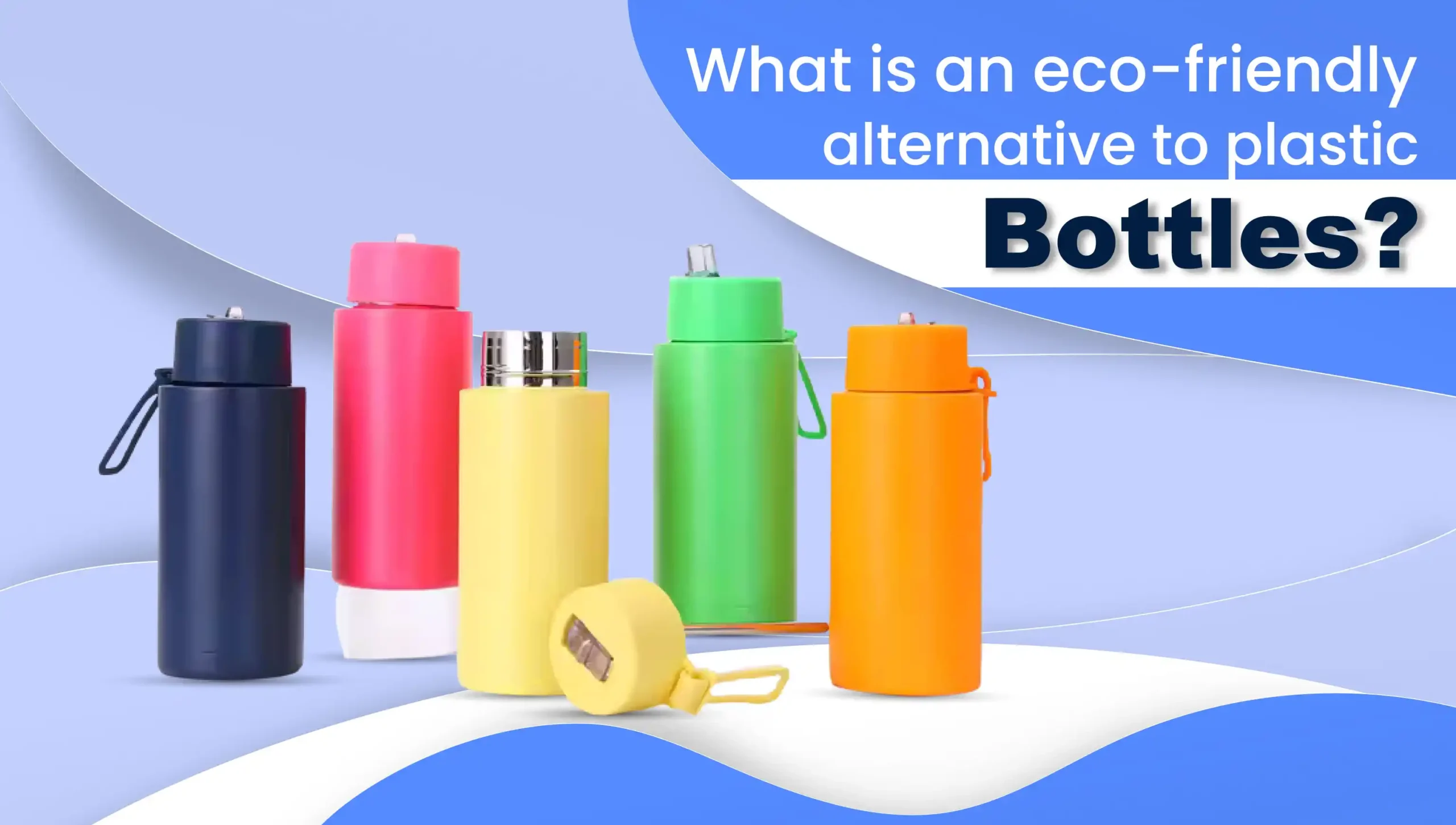
Plastic bottles are everywhere—from water bottles to soft drink containers. But the truth is, plastic pollution is choking our environment. So the big question is, what is an eco-friendly alternative to plastic bottles?
If you care about sustainability and reducing waste, it’s time to explore smarter, greener solutions. Let’s dive into the alternatives that are better for your health and the planet.
Why We Must Replace Plastic Bottles
Plastic bottles take hundreds of years to decompose. Many end up in landfills or the ocean, harming marine life and ecosystems. Even when recycled, plastic degrades and can’t be reused endlessly like glass or metal.
Beyond environmental impact, some plastics may leach harmful chemicals like BPA. That makes finding eco-friendly alternatives to plastic bottles not just a green choice but also a healthier one.
What Can Be Used Instead of Plastic Bottles?
Glass Bottles—Classic, Clean, and Recyclable
Glass is one of the most sustainable materials available. It is made from natural materials like sand, soda ash, and limestone.
Benefits of Glass Bottles
- 100% recyclable without losing quality
- Doesn’t leach chemicals into water
- Offers a clean, pure taste
- Long-lasting if handled with care
What can be used instead of plastic bottles? Glass is a top answer. It’s safe, stylish, and endlessly recyclable.
Downsides
- Heavier than plastic
- Fragile if dropped
Stainless Steel Bottles—Durable and BPA-Free
Stainless steel bottles are rising in popularity due to their durability and insulating features. They’re perfect for both hot and cold drinks.
Why Choose Stainless Steel?
- Non-toxic and BPA-free
- Keeps drinks hot or cold for hours
- Extremely durable—lasts for years
- Rust-resistant and easy to clean
This is what the most eco-friendly alternative to plastic looks like: stainless steel is sleek, reusable, and safe.
Aluminum Bottles—Lightweight and Recyclable
Aluminum water bottles are becoming a favorite among eco-conscious consumers. Brands like Hydro Flask and Pathwater offer attractive aluminum-based designs.
Why Aluminum?
- Lightweight and reusable
- Fully recyclable
- Resistant to corrosion
- Low carbon footprint if recycled properly
Aluminum gives us a good answer to the question: How water bottle alternatives can be both practical and eco-smart?
Silicone Bottles—Flexible and Compact
If you travel often or need something collapsible, silicone water bottles are a great fit.
Features
- BPA-free and food-grade material
- Foldable and space-saving
- Lightweight and heat-resistant
Silicone bottles combine convenience with environmental awareness. Plus, they’re less likely to break or dent.
What Is the Most Environmentally Friendly Bottle?
The most environmentally friendly bottle isn’t just reusable—it’s also made from non-toxic, recyclable, or biodegradable materials. Here’s a comparison:
| Material | Recyclable | Biodegradable | Reusable Lifespan | Health Risk |
| Glass | Yes | No | Long | None |
| Stainless Steel | Yes | No | Very Long | None |
| Aluminum | Yes | No | Long | Low |
| Silicone | Yes | No | Moderate | Low |
| Bioplastics | Yes | Yes | Low–Moderate | Depends |
So, what is the most environmentally friendly bottle? In most cases, stainless steel or glass bottles win due to durability and recyclability.
What Plastic Is Eco-Friendly?
Some plastics are less harmful than others. While not perfect, bioplastics and certain recyclable plastics can offer slightly greener options.
BPA-Free Plastics
Look for plastics labeled BPA-free. While they’re still plastic, they’re safer for health.
#1 PET and #2 HDPE
These are widely recyclable and safer than others. However, they are still single-use for the most part.
Bioplastics
Made from plant-based materials, bioplastics are biodegradable under the right conditions. They include:
- PLA (Polylactic Acid)—made from cornstarch
- PHA (Polyhydroxyalkanoates)—produced by microorganisms
But remember, not all bioplastics break down naturally in your backyard. Many need industrial composting.
How to Make Eco-Friendly Bottles?
Wondering how to make eco-friendly bottles or where they come from? Let’s break down some sustainable processes.
Plant-Based Materials
Manufacturers are now using sugarcane, cornstarch, bamboo, and other renewable resources to produce eco-bottles.
Recycled Content
Some companies reuse ocean plastics or post-consumer waste to make bottles. This helps reduce landfill and marine pollution.
Zero-Waste Manufacturing
Innovative brands follow closed-loop systems, where every material is reused or recycled, minimizing waste.
What Is an Eco-Friendly Alternative to Plastic Bottles? (Revisited)
We’ve explored several options already, but let’s repeat the question and answer it clearly again:
What is an eco-friendly alternative to plastic bottles?
Glass, stainless steel, aluminum, silicone, and bioplastics are some of the best alternatives.
These materials reduce waste, are reusable, and protect your health better than traditional plastic.
Everyday Tips for Ditching Plastic Bottles
Switching to eco-friendly alternatives is easier than you think. Here are some habits you can adopt today:
Carry a Reusable Bottle
Choose a stainless steel or glass bottle. Keep it with you at work, school, or while traveling.
Refill Instead of Rebuy
Install a home water filter or use refill stations in public areas.
Avoid Buying Single-Use Drinks
Opt for homemade juices, smoothies, or filtered water in your own bottle.
Brands Leading the Eco-Bottle Revolution
Some companies are redefining how we use water bottles. A few standouts include
- Hydro Flask – stainless steel with excellent insulation
- Soma—stylish glass bottles with silicone sleeves
- S’wheat – bottles made from wheat stalks
- PATH – aluminum bottled water designed to be reused
- Lifefactory—glass bottles with modern designs
Supporting these companies can fast-track your journey toward a plastic-free life.
Final Thoughts
So, what is an eco-friendly alternative to plastic bottles? Now you know. The solution isn’t just one bottle—it’s a mindset. Choose reusable, durable, and non-toxic options, and you’ll significantly reduce your carbon footprint.
Quick Recap
- Glass is clean and 100% recyclable
- Stainless steel is long-lasting and safe
- Aluminum is light and recyclable
- Silicone is foldable and practical
- Bioplastics are a growing innovation
Every small switch matters. And the more people who choose eco-friendly bottles, the bigger the impact we can make—together.
FAQ
What is the eco friendly alternative to plastic bottles?
Stainless steel, glass, and aluminum bottles are the most eco-friendly alternatives, offering reusability and lower environmental impact.
What is the most environmentally friendly bottle?
A stainless steel bottle is considered the most environmentally friendly due to its durability, recyclability, and long lifespan.
How to be 100% plastic free?
To be 100% plastic free, switch to reusable materials like glass, metal, or bamboo, and avoid single-use packaging in daily life.
Should I stop drinking out of plastic water bottles?
Yes, especially if they are single-use. Plastic bottles may leach chemicals and create long-term waste. Safer, reusable options are better.
How to make a water bottle eco-friendly?
Use recyclable or biodegradable materials, avoid harmful chemicals like BPA, and design it for long-term reuse and minimal waste.
What is the best alternative to water bottles?
Reusable bottles made from stainless steel or glass are the best alternatives, offering safety, sustainability, and better taste.
Is there a biodegradable water bottle?
Yes, some water bottles are made from plant-based materials like PLA or PHA, which are biodegradable under industrial conditions.
What is better than bottled water?
Filtered tap water in a reusable bottle is better than bottled water—it’s cheaper, safer long-term, and produces less waste.
What is the best alternative to plastics?
Materials like stainless steel, glass, bamboo, and bioplastics are excellent alternatives to conventional plastics in everyday use.
Is the Tupperware eco bottle safe?
Tupperware Eco Bottles are BPA-free and reusable, making them safer than single-use plastics, but they’re still not plastic-free.